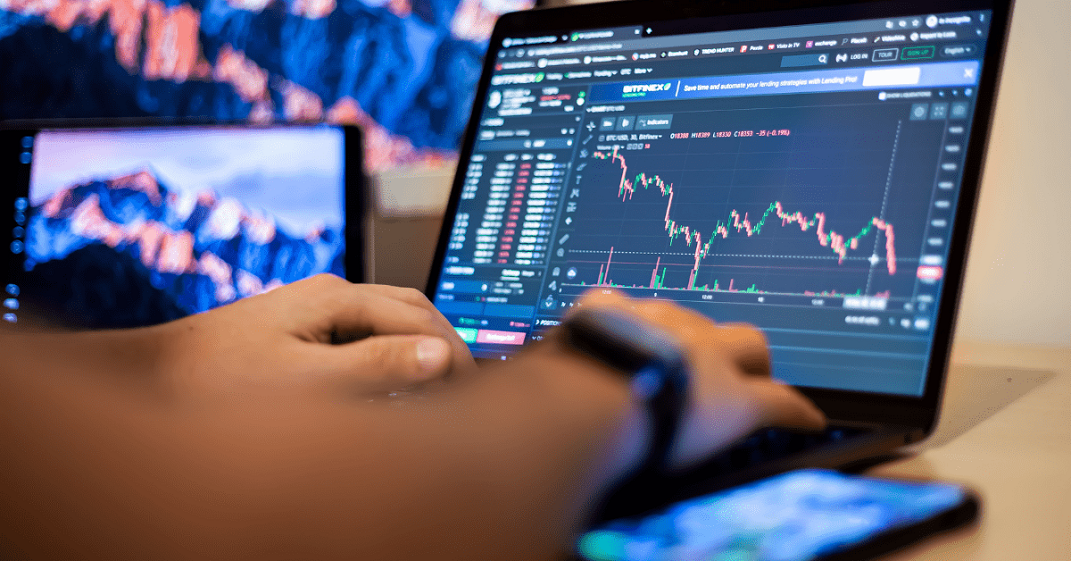
Financial markets have evolved significantly over the past few decades, giving traders more ways than ever to participate in global price movements. While traditional investing often involves purchasing and holding assets directly, modern trading methods have introduced alternatives that offer flexibility and broader market access. One of the most widely used tools for this purpose is the Contract for Difference, commonly known as a CFD.
CFDs allow traders to speculate on the price movements of various financial instruments without owning the underlying asset. This means individuals can participate in markets such as stocks, exchange-traded funds (ETFs), and commodities from a single trading platform. For many traders, this approach provides access to opportunities that might otherwise require substantial capital or multiple brokerage accounts.
Understanding How CFDs Provide Market Access
CFD trading operates through agreements between traders and brokers to exchange the difference in price between the opening and closing of a position. Instead of buying a physical asset, the trader simply takes a position based on whether they believe the price will rise or fall.
Read More: A Fresh Look at Stock Markets: How New Investors Are Getting Started
This structure allows CFDs to mirror the performance of a wide range of financial instruments. Traders can follow global markets and take positions on assets such as shares, commodities, indices, and ETFs. Because the underlying asset is not actually purchased, the process becomes more streamlined and accessible.
Another advantage of this structure is that it simplifies the logistics of market participation. Traders can focus on price movements rather than asset ownership, custody arrangements, or settlement procedures. As a result, CFD trading has become a popular option for those who want to actively engage with financial markets without the complexity of managing multiple asset holdings.
Trading Stock Opportunities Through CFDs
Stocks remain one of the most popular asset classes in global markets. Traditionally, investors purchase shares to gain ownership in a company and potentially benefit from long-term price appreciation or dividends. CFD trading approaches stock markets from a different angle.
When trading stock CFDs, individuals speculate on the price movements of company shares rather than purchasing them outright. If a trader believes a stock price will rise, they may open a long position. If they expect the price to decline, they can open a short position. This flexibility allows traders to participate in both bullish and bearish market conditions.
Another key advantage is access to international stock markets. Through CFD platforms, traders may be able to explore opportunities in companies listed across multiple exchanges around the world. This broader exposure can help traders follow global trends and react to developments in different economies.
Exploring ETF Markets with CFD Trading
Exchange-traded funds, commonly known as ETFs, have become an important part of modern financial markets. These funds track the performance of specific indices, industries, commodities, or investment themes. They allow investors to gain exposure to a basket of assets within a single instrument.
CFDs provide traders with a convenient way to access ETF markets. Instead of purchasing shares of an ETF, traders can speculate on the price movement of the fund through a CFD contract. This allows them to participate in broader market trends without directly owning the ETF itself.
ETFs can represent a wide range of sectors and strategies. Some track major indices such as global stock markets, while others focus on specific industries like renewable energy, technology, or healthcare. There are also ETFs designed to follow commodities, bonds, and emerging markets.
Accessing Commodity Markets Through CFDs
Commodity markets have long attracted traders because of their connection to real-world supply and demand. Assets such as oil, gold, agricultural products, and industrial metals play essential roles in global economic activity. Their prices often fluctuate in response to geopolitical events, production levels, and shifts in consumer demand.
CFD trading provides an accessible way to participate in commodity price movements without physically trading the underlying goods. Instead of dealing with storage, transportation, or delivery logistics, traders focus solely on price changes in the market.
The Role of Trading Platforms and Market Tools
Technology plays a central role in how CFD traders access different financial markets. Modern trading platforms provide tools that allow individuals to analyse charts, monitor economic events, and execute trades quickly. These platforms often bring multiple asset classes together within a single interface.
Traders typically rely on market data, technical indicators, and financial news to inform their decisions. Charting tools help identify price trends and potential entry or exit points, while economic calendars highlight important announcements that may influence market volatility.
Access to a reliable trading infrastructure is also important. Platforms such as ADSS offer traders the ability to explore global markets while providing educational resources and market insights that can support informed decision-making. Having access to these tools can make it easier for traders to navigate the complexities of financial markets.
Conclusion
CFD trading has opened the door for individuals who want to explore a wide range of financial markets without directly owning the underlying assets. Through CFDs, traders can access opportunities across stocks, ETFs, and commodities while responding to global price movements in real time.
Read More: Beginner’s Guide to Electronic Shareholding
This flexibility allows traders to diversify their strategies and follow developments in multiple sectors of the global economy. While each market presents its own dynamics and risks, understanding how CFDs work can help traders navigate these opportunities more effectively.